
Can a Dirty Trash Can Make You Sick? Exploring the Health Hazards
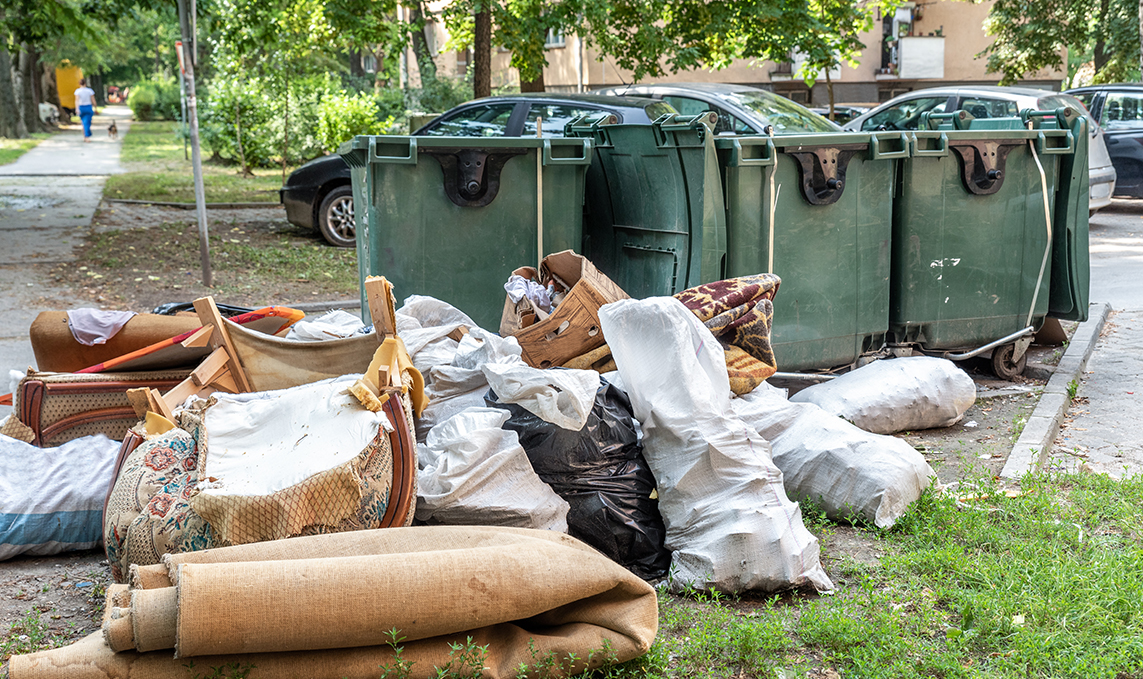
It might be out of sight, but it shouldn’t be out of mind. Trash cans are some of the dirtiest items in a home or business, and skipping proper cleaning can do more than just create bad smells. From bacteria to pests, your bin could be quietly undermining your family’s health.
Here’s why trash can sanitizing is more than just a chore. It’s a critical step in protecting your space from invisible threats.
The Health Risks of Ignoring Trash Can Sanitizing
Trash bins are designed to collect waste. That includes food scraps, diapers, tissues, packaging, and whatever else ends up discarded. But with that comes contamination. Moisture, heat, and organic matter create an ideal environment for microbial growth, and without regular cleaning, bacteria thrive.
Sanitizing your trash bins breaks this cycle. It eliminates the biofilm and residue that allow pathogens to linger and spread. Whether you keep your bin in a garage, side yard, or kitchen, it can pose health risks if neglected.
Even bins stored outdoors aren’t immune. Summer heat and humidity can accelerate the breakdown of organic waste, producing foul odours and increasing the bacterial load. In colder months, bacteria may not multiply as quickly, but they can still survive for extended periods, waiting for the right conditions to grow again.
Bacterial Buildup and Cross-Contamination
Some of the most dangerous household bacteria are regularly found in or around trash bins, including:
- E. coli: linked to severe gastrointestinal illness
- Salmonella: found in raw food waste, causes food poisoning
- Listeria: particularly dangerous for seniors, pregnant women, and infants
Once these bacteria are present, they don’t stay put. They can transfer to:
- Your hands when taking out the trash
- Pets sniffing around the bin
- Items stored nearby, like shoes or grocery bags
Nearby surfaces, counters, handles, and floors can become vectors for spreading these contaminants throughout your home.
If you use the same gloves or cleaning cloths across different areas without sanitizing them between tasks, you could unknowingly move germs from the bin into high-contact spaces like doorknobs or refrigerator handles.
Pest Attraction and Germ Spread
Overflowing or dirty bins are prime targets for flies, rodents, and insects. These pests not only rummage through the trash, but also track bacteria from the bin into your kitchen, pantry, or living space.
A single housefly can carry hundreds of disease-causing microorganisms. Rodents are known to transmit hantavirus, leptospirosis, and other serious infections.
Trash can sanitizing removes the organic material that attracts these pests in the first place. Clean bins help break the chain of contamination before it spreads beyond your garage or driveway.
Even if pests don’t enter your home, their presence around your bin is still a risk. They can leave droppings, urine, and nesting materials in or near bins, all of which can carry additional pathogens. Regular cleaning disrupts this cycle and discourages return visits.
Bad Odours = Airborne Toxins
If you’ve ever been hit with a wave of trash bin odour, you’re smelling more than just old food. Those odours often include volatile organic compounds (VOCs), which are gases emitted by decomposing organic material.
While unpleasant, VOCs can also trigger respiratory issues, especially for people with asthma or allergies. These airborne toxins contribute to indoor air pollution and signal microbial activity inside your bin.
Trash can sanitizing eliminates the cause of the smell, not just masks it, by neutralizing the bacteria producing VOCs. It’s a small act with a big impact on indoor air quality.
Impact on Home Hygiene
A spotless kitchen means little if the trash bin beside it is harbouring pathogens. Bins are often missed during regular cleaning, but they play a key role in overall home hygiene.
Drips, leaks, or splashes from trash bags can leave invisible residues around the bin. When these go uncleaned, they provide a base for bacterial growth that undermines the cleanliness of surrounding areas.
Including trash can sanitizing in your regular routine helps maintain a truly hygienic home environment, not just one that looks clean.
Cleaning also has a psychological benefit. When your home smells fresh and feels clean, it encourages better habits throughout the household. Sanitized bins support a space that looks, feels, and actually is clean.
Risks to Children, Pets, and Seniors
Some household members are more vulnerable to the effects of poor sanitation:
- Children: curious hands and underdeveloped immune systems
- Pets: often drawn to smells and exposed to bacteria
- Seniors: their immune systems may be less resilient, making them more susceptible
For these groups, even small exposures can lead to illness. Trash can sanitizing is a simple and effective way to reduce that risk.
It’s also important to consider individuals with pre-existing conditions like asthma, eczema, or allergies. The bacteria and airborne particles associated with dirty bins can aggravate symptoms or contribute to flare-ups.
Why Germ Prevention Starts With Your Bins
Trash bins are touched frequently but cleaned rarely. They’re a common source of recontamination, especially in shared households where multiple people handle waste.
By sanitizing your bins, you stop the spread of bacteria at the source. It’s one of the most overlooked steps in germ prevention and home hygiene.
Professional bin cleaning services use high-pressure steam and eco-friendly disinfectants to clean bins thoroughly, far beyond what a hose or spray bottle can do. Regular treatments can eliminate over 99% of harmful bacteria.
Scheduling service every month or after major holidays, renovations, or yard work can keep your bins in check and your home safer all year round.
Protect Your Home With Professional Trash Can Sanitizing
You wouldn’t skip cleaning your toilet, so why ignore your trash cans? Regular bin cleaning removes bacteria, controls odours, and helps keep your home healthy. When left untreated, trash bins can become one of the most significant sources of contamination in your home, affecting everything from your indoor air quality to the safety of food prep surfaces.
Investing in professional trash can sanitizing isn’t just about cleanliness; it’s about making your entire household safer and more comfortable for every person and pet living there.
Reach out to Semper Clean Cans today at 609-780-1149 or click here to schedule your next trash can sanitizing service.